Monsoon Skin Allergies: Causes, Prevention, and Treatment
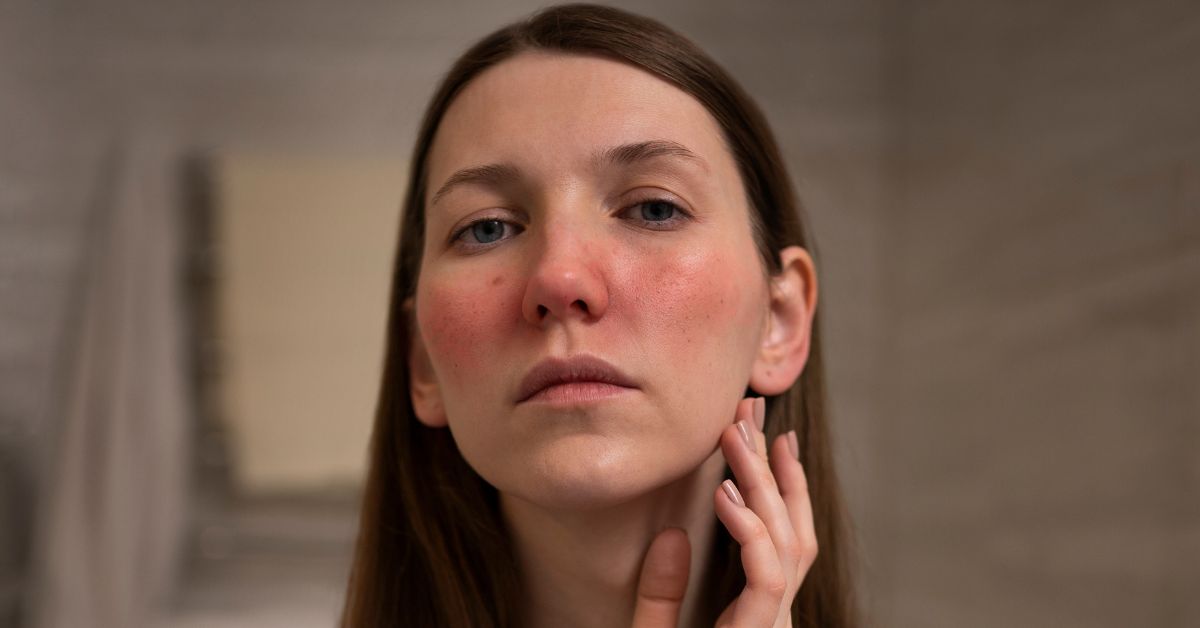
When Rain Brings More Than Relief: The Hidden Skin Trouble — Monsoon season often feels refreshing, yet it silently triggers multiple skin issues. Excess humidity, constant sweating, damp fabrics, and polluted water exposure create a breeding ground for infections. Many individuals notice sudden itching, redness, bumps, or burning sensations during this time, especially on hands, feet, and body folds.
Ignoring early symptoms is a common mistake. What begins as mild irritation can quickly develop into spreading rashes, fungal patches, or persistent allergic reactions.
Why Monsoon Triggers Skin Allergies So Easily
The rainy season traps moisture on the skin for long durations. This weakens the natural protective barrier and allows microbes to multiply rapidly. Wet clothes and footwear worsen the condition by keeping affected areas continuously damp.
Common triggers include fungal spores, polluted water contact, sweat accumulation, harsh soaps, and synthetic fabrics. People with already sensitive or acne-prone skin experience faster flare-ups and stronger reactions.
Types of Skin Allergies Seen in Rainy Season
Fungal infections remain the most frequent concern, especially in areas like the groin, underarms, and feet. These infections appear as itchy, circular, or scaly patches.
Contact dermatitis develops when the skin reacts to soaps, detergents, metals, or wet accessories. Heat rashes appear due to blocked sweat glands and prolonged humidity exposure.
Urticaria, commonly known as hives, presents as sudden red bumps caused by allergens, food reactions, or environmental changes.
The Real Struggle Patients Face During Monsoon
Persistent itching disrupts sleep and daily focus. Visible rashes reduce confidence in social interactions. Repeated scratching leads to secondary infections and skin darkening.
Self-treatment often worsens the condition. Overuse of creams without diagnosis can suppress symptoms temporarily while allowing the underlying issue to grow deeper. Many patients delay proper care until the condition becomes severe or widespread.
Practical Prevention Steps for Healthy Skin
Keeping the skin dry is the first priority. Changing wet clothes immediately after exposure reduces infection risk. Loose cotton outfits allow better airflow and reduce sweating.
Daily cleansing with mild products helps remove dirt and allergens. Proper drying of feet and skin folds prevents fungal growth. Avoid sharing personal items such as towels and footwear.
Reducing heavy cosmetics and maintaining hygiene during travel also helps control flare-ups. Small lifestyle adjustments create strong protection during the rainy season.
Treatment Approach That Targets the Root Cause
Skin allergy treatment depends on identifying the exact trigger. Fungal conditions require antifungal medication. Bacterial infections need targeted antibiotics. Allergic dermatitis improves after removing the irritant and calming inflammation. Chronic hives may require antihistamines and lifestyle correction.
Accurate diagnosis is essential before starting treatment, as similar symptoms may have completely different causes.
For skin allergy treatment in Kandivali, Mumbai, Beautera Hair & Skin Clinic in Kandivali East offers structured dermatology care with a patient-focused approach. Known as one of the best specialists in Kandivali, the clinic evaluates skin condition carefully before suggesting any treatment plan.
Their dermatology services cover infections, allergies, acne, pigmentation, and recurring skin conditions. Each case is handled individually to ensure safe recovery and long-term skin stability.
Why Professional Care Makes a Difference
Expert dermatological support helps prevent repeated flare-ups. Instead of temporary relief, treatment focuses on restoring skin balance and preventing future triggers.
Customized care ensures that medication, skincare routine, and lifestyle guidance work together. This reduces recurrence and improves overall skin resilience during monsoon seasons.
FAQs
1. What makes monsoon skin allergies more severe?
Continuous moisture, humidity, and microbial growth weaken skin defense and increase irritation levels.
2. Can these allergies heal without treatment?
Mild cases may improve, but most infections and allergies require proper medical attention for complete recovery.
3. How can I identify fungal infection early?
It often starts as itchy, red, circular patches that slowly expand and cause discomfort.
4. Is changing soap important during monsoon?
Yes, mild and fragrance-free cleansers reduce irritation and help maintain skin balance.
5. Where can I get reliable treatment in Kandivali?
Beautera Hair & Skin Clinic provides structured and personalised dermatology solutions for monsoon-related skin concerns.
Read This: Common Monsoon Skin Problems and How to Manage Them?