
Is Hair Transplant Permanent? How Long Do the Results Last?
Hair loss is something many people experience, but that does not make it any less frustrating. Whether you are noticing a receding hairline, thinning at the crown, or increasing bald patches, it is natural to wonder whether a hair transplant can offer a long-term solution. One of the most common questions patients ask is, “Is a hair transplant permanent?”
The good news is that transplanted hair can provide long-lasting and potentially permanent results when the procedure is planned and performed properly. However, understanding how hair transplantation works and what to expect after the procedure is important before making a decision.
How Permanent Is a Hair Transplant?
A hair transplant involves moving healthy hair follicles from a donor area, usually the back or sides of the scalp, to areas experiencing thinning or baldness. These donor follicles are generally more resistant to the effects of pattern hair loss.
Once transplanted follicles successfully establish themselves in their new location, they can continue to grow hair for many years. This is why hair transplantation is considered a long-term hair restoration solution rather than a temporary cosmetic treatment.
However, the result does not appear overnight. During the initial weeks, some transplanted hair may shed. This is commonly part of the normal hair-growth cycle following transplantation. New hair growth typically starts becoming noticeable after a few months, while more significant results can develop over 9–12 months.
Can Hair Transplant Results Last a Lifetime?
For many suitable candidates, transplanted hair can last for decades and may be permanent. But it is important to remember that the rest of your natural hair can continue to thin with age.
For example, if you have transplanted hair along the front hairline but the natural hair behind it continues to become thinner, you may notice changes in density over time. This is why a good treatment plan considers both your current hair loss and the possibility of future hair loss.
Maintaining existing hair through appropriate medical treatment and regular follow-ups may help preserve a balanced, natural-looking appearance.
Choosing the Right Hair Transplant Surgeon
The quality and longevity of your results depend greatly on proper patient assessment, donor-hair selection, graft handling, hairline design, and implantation technique. Choosing an experienced specialist is therefore an important part of the process.
If you are looking for one of the best Best hair transplant surgeon in Kandivali, you can consult Dr. Shreyansh Talesra and Dr. Paridhi Talesra at Beautera Hair and Skin Clinic, Kandivali. A professional consultation can help determine the cause and stage of your hair loss and whether hair transplantation is suitable for you.
Beautera also provides dermatological care, making it an option for people searching for a Dermatology Clinic in Kandivali for concerns related to hair and skin health.
What Makes Hair Transplant Results Look Natural?
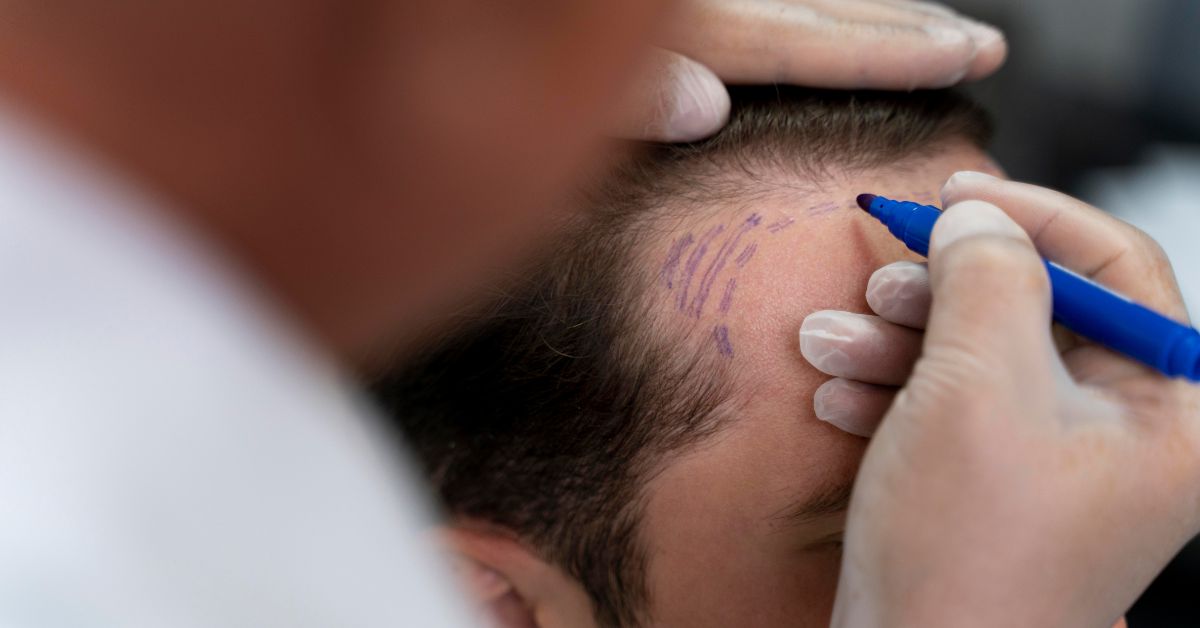
A successful transplant is not simply about adding more hair. The goal is to create a hairline and density that complement your facial features while using the available donor hair wisely.
Factors such as graft placement, hair direction, spacing, and the design of the hairline can all influence the final appearance. This is why individualized planning is essential rather than following the same approach for every patient.
Final Thoughts
So, is a hair transplant permanent? In suitable patients, transplanted follicles can provide long-lasting and potentially permanent hair growth. However, natural hair loss may continue around the transplanted area, so long-term hair management remains important.
If you are considering hair transplantation, start with a detailed consultation rather than focusing only on the procedure or price. Understanding your individual hair-loss pattern and donor-hair condition can help you make a more informed decision and set realistic expectations for the results.
Disclaimer: This content is for educational purposes only and should not be considered a substitute for professional medical advice, diagnosis, or treatment.
Get Directions: https://maps.app.goo.gl/1Uib1itN2EkToNw2A