Can Iron Deficiency Cause Hair Loss?
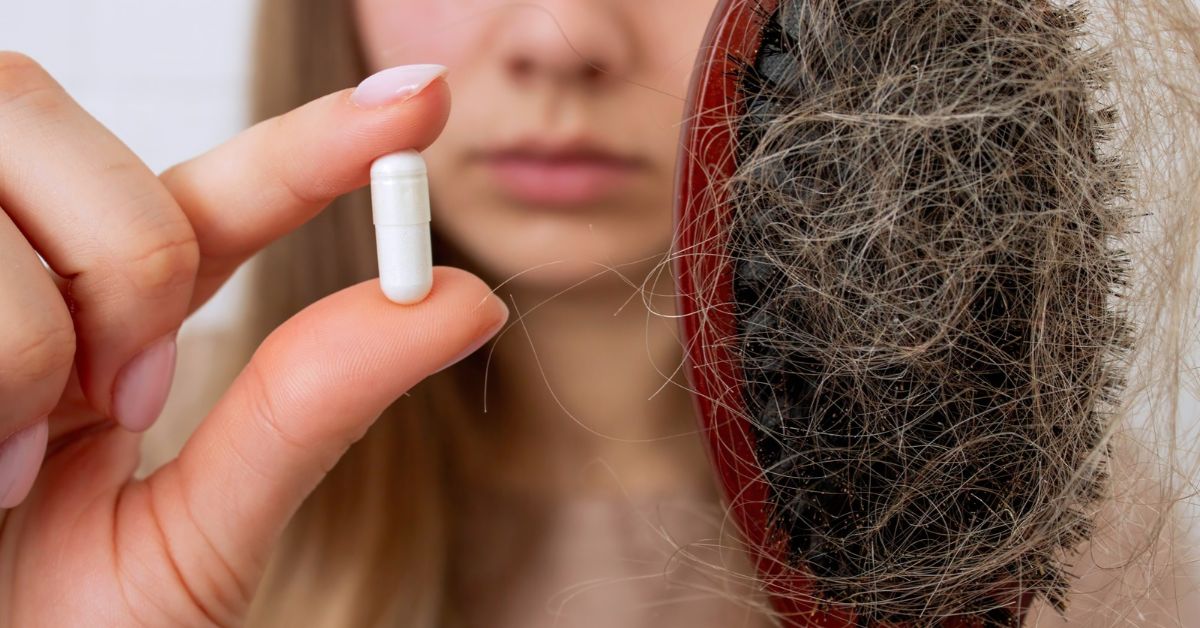
Have you noticed more hair strands on your pillow, in your hairbrush, or while washing your hair? Hair loss can be worrying, especially when you cannot identify the reason behind it. One possible cause is iron deficiency, a condition in which the body does not have enough iron to support its normal functions.
Iron plays an important role in producing haemoglobin, a protein in red blood cells that carries oxygen throughout the body. When iron levels become too low, the body may struggle to meet its normal oxygen requirements. In some people, low iron stores are also associated with increased hair shedding.
How Does Iron Deficiency Affect Hair Growth?
Hair grows in a natural cycle that includes a growth phase, a transition phase, and a resting phase. When the body experiences nutritional deficiencies, illness, or physical stress, this cycle can be disrupted.
Iron deficiency may contribute to a condition called telogen effluvium, in which more hair follicles than usual enter the resting phase. These hairs may shed several weeks or months after the triggering problem begins.
However, iron deficiency is not the only cause of hair loss. Genetics, thyroid disorders, hormonal changes, stress, certain medications, and other nutritional deficiencies can also contribute. Not everyone with low iron levels experiences hair loss, and not every case of hair fall is caused by iron deficiency.
What Are the Signs of Iron Deficiency?
Hair shedding may occur alongside other symptoms, particularly when iron deficiency progresses to iron-deficiency anaemia. Common signs include:
- Persistent tiredness or weakness
- Pale skin
- Dizziness or headaches
- Shortness of breath during physical activity
- Brittle nails
- Increased hair shedding or noticeable thinning
These symptoms can have several causes, so they should not be used to diagnose iron deficiency on their own.
How Can You Find Out If Iron Deficiency Is Causing Hair Loss?
A healthcare professional may recommend blood tests based on your symptoms and medical history. These can include a complete blood count (CBC), serum ferritin to assess iron stores, and other iron studies when appropriate.
Ferritin levels need careful interpretation because inflammation and other conditions can affect the results. Identifying the underlying cause of low iron is equally important, as it may be related to inadequate dietary intake, heavy menstrual bleeding, gastrointestinal blood loss, or problems with iron absorption.
Can Hair Grow Back After Treating Iron Deficiency?
In many cases, hair shedding may gradually improve once iron deficiency is corrected. However, recovery takes time because hair grows slowly, and visible improvement may take several months. The outcome also depends on whether other causes of hair loss are present.
Include iron-rich foods such as lentils, beans, leafy green vegetables, and meat if you eat it. Pairing plant-based iron sources with vitamin C-rich foods may help improve iron absorption. Diet alone may not be sufficient when a confirmed deficiency requires medical treatment.
Avoid taking iron supplements without appropriate medical advice. Excess iron can be harmful, and unnecessary supplementation may delay the diagnosis of another underlying problem.
When Should You Seek Professional Advice?
If hair fall persists, becomes excessive, or is accompanied by fatigue or other symptoms, a medical assessment can help identify the cause. Someone exploring hair loss treatment in Kandivali, Mumbai, may begin with a dermatologist who can examine the scalp, review the medical history, and determine whether blood tests or further evaluation are needed.
A dermatology clinic in Kandivali can also be a setting for assessing persistent hair thinning and discussing suitable treatment options based on the diagnosis.
Final Thoughts
Iron deficiency can contribute to hair loss in some people, but it is only one possible explanation. The best approach is to identify the underlying cause rather than relying on supplements or hair products alone. With the right evaluation and treatment, iron-related hair shedding may improve over time, although results vary from person to person.
Disclaimer: This content is for informational purposes only and is not a substitute for professional medical advice.